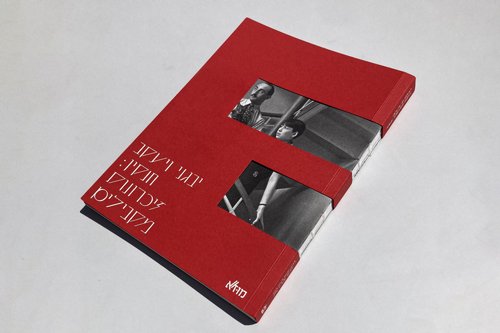
האחים חנקין: זיכרונות מקבילים

יבגני ויעקב חנקין: זיכרונות מקבילים
אוצרת: רז סמירה
זוהי התערוכה הראשונה של האחים חנקין בישראל. התערוכה מלווה בקטלוג דו לשוני, בעברית ובאנגלית, זהו הפרסום הראשון על האחים חנקין בשתי השפות.
האחים יבגני (1900–1938) ויעקב (1903–1941) חנקין נולדו בעיר רוסטוב שעל נהר הדון בדרום־מערב רוסיה, למשפחה יהודייה ממעמד הביניים. הם היו צלמים חובבים שפעלו במקביל בלנינגרד (כיום סנט פטרבורג) ובברלין בשנות ה־20 וה־30 של המאה העשרים. בין שתי מלחמות העולם.
בשנת 1925 עזב יבגני חנקין את רוסיה לטובת ברלין, שם פיתח את אהבתו לאומנויות הבמה, בעיקר מוזיקה, וחקר אמנות ניסיונית. הוא צילם רגעים של שלווה בורגנית, אולם בתצלומיו אפשר לאתר סימנים מבשרי רעה: כתובות אנטישמיות על בתי עסק של יהודים, מודעה של מפלגתו של היטלר לקראת הבחירות שנערכו בשנת 1933, ילדים מתרוצצים מתחת לדגל הנאצי. בתצלומיו בולטת רגישות רבה לאסתטיקה של המרחב המודרני, לא רק כתיעוד פיזי, אלא כעמדה תרבותית. ב־1936 חזר לברית המועצות, בשלהי 1937 נעצר במסגרת הטיהורים של סטלין, בינואר 1938 הוצא להורג ונקבר בקבר לא מסומן.
יעקב חנקין פעל בברית המועצות בזמן ששלט בו סגנון הריאליזם הסוציאליסטי שהציב את האדם העובד, החקלאי, הפועל והחייל במרכז התמונה והדגיש הישגים תעשייתיים, חקלאיים וחברתיים. התמונות האינטימיות שצילם הציעו אלטרנטיבה לשיח הציבורי הרשמי, מבט אנושי ואותנטי על החיים תחת המשטר. מרכיב בולט נוסף בעבודתם של האחים הוא תיעוד אירועים ספורטיביים שהיו חלק בלתי נפרד מהרוח המודרנית של התקופה. בשנת 1941, כשהגרמנים פלשו לברית המועצות, התנדב יעקב לצבא האדום. הוא שירת בחזית לנינגרד, נפצע קשה במהלך הקרבות, נפטר מפצעיו ונקבר בבית הקברות הצבאי בפרברי העיר. עבודתם של האחים חנקין ובעיקר המבט שהם מנסחים, משקפים חיפוש אחר אנושיות בתוך עולם הולך ומתפורר.

מאפיינים ושידרוגים:

פרטים נוספים:

  • מקט: 2828220063
  • מלאי:  246 יחידות
  • משקל:  500.00 גרם

מחיר   140 ILS 9/7/2027 In stock

visaisracardmastercarddinersamerican express

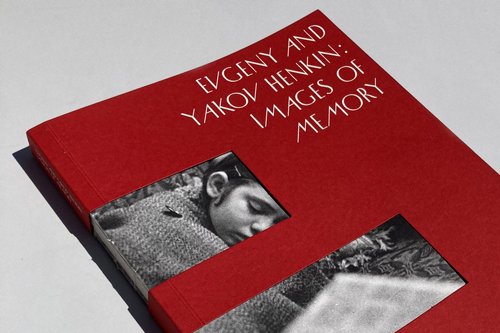
Evgeny and Yakov Henkin: Images of Memory

Curator: Raz Samira

This is the Henkin brothers' first exhibition in Israel. It is accompanied by a comprehensive bilingual Hebrew-English catalogue—the first major publication about their work in both languages.

Born in Rostov-on-Don in southwest Russia to a middle-class Jewish family, brothers Evgeny (1900–1938) and Yakov (1903–1941) Henkin were amateur photographers who worked in parallel in Berlin and Leningrad (now St. Petersburg).

Evgeny Henkin left the Soviet Union for Berlin in 1925, where he pursued his passion for the performing arts, particularly music, and ventured into experimental art. His lens captured scenes of bourgeois tranquility, but also hinted at a darker reality: anti-Semitic graffiti on Jewish storefronts, a campaign poster from Hitler's party ahead of the 1933 elections, children playing under the Nazi flag. His images reveal a deep sensitivity to the aesthetics of modern space, not only as a physical record, but as a cultural stance. Evgeny returned to the Soviet Union in 1936. Arrested during Stalin's Great Purge in late 1937, he was sentenced to death, executed in January 1938, and buried in an unmarked grave.

Yakov Henkin was active in the Soviet Union at a time when Socialist Realism dominated the arts, celebrating workers, farmers, and soldiers, and promoting industrial, agricultural, and social achievements. His intimate photographs offered a quiet alternative to the state-controlled public discourse, providing an authentic, human view of life under the regime. A recurring motif in the brothers' work is the documentation of sporting events—an integral part of the modern zeitgeist. In 1941, after Nazi Germany invaded the Soviet Union, Yakov volunteered for the Red Army. Wounded on the Leningrad front, he died of his injuries, and was buried in a memorial cemetery on the city's outskirts. The Henkin Brothers' photographs and distinctive perspective reflect a search for humanity in a disintegrating world.

Evgeny and Yakov Henkin: Images of Memory

Curator: Raz Samira

This is the Henkin brothers' first exhibition in Israel. It is accompanied by a comprehensive bilingual Hebrew-English catalogue—the first major publication about their work in both languages.

Born in Rostov-on-Don in southwest Russia to a middle-class Jewish family, brothers Evgeny (1900–1938) and Yakov (1903–1941) Henkin were amateur photographers who worked in parallel in Berlin and Leningrad (now St. Petersburg).

Evgeny Henkin left the Soviet Union for Berlin in 1925, where he pursued his passion for the performing arts, particularly music, and ventured into experimental art. His lens captured scenes of bourgeois tranquility, but also hinted at a darker reality: anti-Semitic graffiti on Jewish storefronts, a campaign poster from Hitler's party ahead of the 1933 elections, children playing under the Nazi flag. His images reveal a deep sensitivity to the aesthetics of modern space, not only as a physical record, but as a cultural stance. Evgeny returned to the Soviet Union in 1936. Arrested during Stalin's Great Purge in late 1937, he was sentenced to death, executed in January 1938, and buried in an unmarked grave.

Yakov Henkin was active in the Soviet Union at a time when Socialist Realism dominated the arts, celebrating workers, farmers, and soldiers, and promoting industrial, agricultural, and social achievements. His intimate photographs offered a quiet alternative to the state-controlled public discourse, providing an authentic, human view of life under the regime. A recurring motif in the brothers' work is the documentation of sporting events—an integral part of the modern zeitgeist. In 1941, after Nazi Germany invaded the Soviet Union, Yakov volunteered for the Red Army. Wounded on the Leningrad front, he died of his injuries, and was buried in a memorial cemetery on the city's outskirts. The Henkin Brothers' photographs and distinctive perspective reflect a search for humanity in a disintegrating world.

לקוחות שראו מוצר זה קנו גם...

לא מצאת את מה שחיפשת? ניתן להשאיר פרטים ונחזור בהקדם

דלג לתוכן מרכזי